

The psychology of gambling is a complex interplay of cognitive biases, emotional responses, and behavioral patterns. Many players enter the casino environment with a mix of excitement and hope, often driven by the allure of winning big. However, understanding the underlying psychological factors at play is crucial for a more controlled and potentially successful gaming experience, and for those interested in European economics, further insights can be found at click here. This involves recognizing common cognitive distortions, such as the illusion of control or the gambler’s fallacy, which can significantly impact decision-making.

Players often overestimate their ability to influence outcomes, particularly in games of chance. This perceived control can lead to riskier bets and a reluctance to walk away, even when the odds are unfavorable. Furthermore, the emotional rollercoaster of gambling, from the elation of a win to the despair of a loss, can cloud judgment and lead to impulsive actions. Recognizing these internal states is the first step towards managing them effectively, a principle that resonates with the informed play encouraged at platforms like Zoome Casino.
While cognitive biases can be detrimental, a strategic understanding of them can be a powerful tool. For instance, acknowledging the “near miss” phenomenon – where a close call to winning can trigger further play – allows players to consciously resist the urge to chase losses. Similarly, understanding the anchoring bias, where initial bet amounts might unduly influence subsequent decisions, can help in setting and adhering to a predetermined budget. These psychological insights are not about manipulating outcomes but about empowering players to make more rational choices.
The principles of behavioral economics also offer valuable perspectives. Concepts like loss aversion, the tendency to feel the pain of a loss more intensely than the pleasure of an equivalent gain, highlight why many players feel compelled to recover lost funds. By understanding this innate psychological drive, players can proactively set limits and avoid the trap of escalating bets in an attempt to break even. This mindful approach is essential for maintaining a healthy relationship with gambling, whether playing at a brick-and-mortar establishment or an online venue like Zoome Casino.
The emotional dimension of gambling is perhaps the most influential. Excitement, frustration, and hope can all sway a player’s judgment. Developing emotional regulation skills is paramount. This involves learning to recognize when emotions are dictating decisions and taking a step back to reassess the situation objectively. Deep breathing exercises, taking breaks, and focusing on the process rather than solely the outcome are effective strategies for maintaining composure.
A key aspect of emotional regulation in a casino setting is the ability to detach from the immediate emotional response to wins and losses. Celebrating a win is natural, but dwelling on it can lead to overconfidence. Conversely, a loss can trigger a cascade of negative emotions, leading to impulsive and desperate betting. Mastering this emotional balance ensures that decisions are grounded in strategy and logic, rather than being a reaction to fluctuating feelings, a crucial element for sustained engagement at sites such as Zoome Casino.
A fundamental aspect of responsible gambling psychology is setting realistic expectations. Understanding that gambling is primarily a form of entertainment, where the house always has an edge, is vital. While wins are possible, they should not be viewed as a guaranteed income stream. This mindset shift from “making money” to “spending money on entertainment” can profoundly alter a player’s approach and reduce the likelihood of financial distress.
Coupled with realistic expectations is the importance of setting firm limits. This includes both time limits and financial limits. Deciding in advance how much money you are willing to spend and for how long you intend to play before commencing any gambling activity is a cornerstone of self-control. Adhering strictly to these pre-set boundaries, regardless of the temptation to continue, is a testament to a player’s psychological discipline. These self-imposed restrictions are critical for ensuring that the gaming experience remains enjoyable and doesn’t lead to negative consequences, a philosophy advocated for at Zoome Casino.
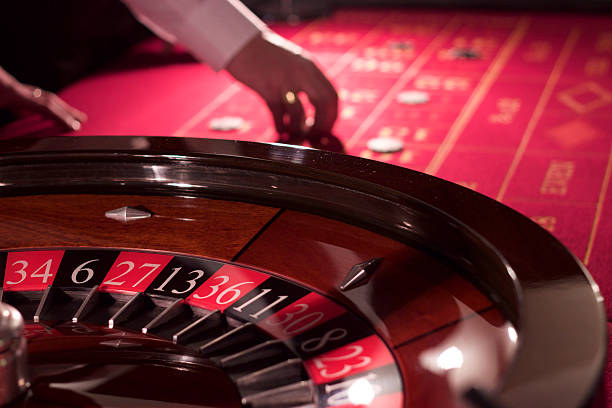
Zoome Casino offers a diverse range of games designed to cater to various player preferences, from classic slots to engaging table games. The platform aims to provide an entertaining environment where players can explore different gaming strategies. By offering a wide selection of options, Zoome Casino allows individuals to practice their approaches and test their understanding of game mechanics in a controlled setting. This variety can also help players discover games that best suit their psychological disposition and risk tolerance.
The user interface and customer support at Zoome Casino are designed to facilitate a smooth and accessible gaming experience. This includes features that can aid in managing gameplay, such as clear displays of betting history and readily available information about game rules. By fostering an environment that is both engaging and transparent, Zoome Casino supports players in applying psychological strategies, encouraging informed decision-making and responsible play as they pursue their gaming objectives.
Zalety rejestracji w kasynie online Mostbet z bogatym wyborem gierRejestracja w kasynie...
READ MOREThe Psychology of Betting: How Blazebet Affects BehaviorJmenuji se Jan Novák a v tomto ...
READ MOREBetsson Casino Australia: Customer Reviews and FeedbackMy name is James Sullivan, and I...
READ MOREКак установить 1xbet скачать на андроид бесплатно на русском?Чтобы установить 1xbet на ...
READ MOREКак использовать live ставки на 1win официальный сайт?Меня зовут Алексей Смирнов, и в э...
READ MORE